


Namaz
What is Namaz?
Namaz, also called Ṣalāh, is the second pillar of Islam and an obligatory act of worship prescribed five times a day for every adult Muslim. It is a direct connection between the servant and Allah (SWT), performed in a specific manner and at prescribed times. Namaz is not just a ritual; it is an expression of devotion, gratitude, and submission to Allah.
Preconditions of Salah or Namaz (Prayer)
- Cleanliness from impurities (on the body, clothes, and place of prayer).
- Performing Ablution (Wudu).
- Facing the right direction of Qiblah.
- Covering the private parts (All of a woman is considered to be a private part except the face and palms)
- Praying at the proper time.
Scientific Benefits of Namaz
- Strengthens Faith (Imān): Namaz reminds us of Allah and keeps the heart connected to Him.
- Inner Peace: Regular prayer removes anxiety, depression, and negative thoughts.
- Prevents Sin: It serves as a shield against evil and immoral acts (Surah Al-Ankabut 29:45).
- Forgiveness of Sins: Every prayer washes away minor sins, purifying the soul.
- Discipline and Patience: Performing prayer on time teaches punctuality and self-control.
Spiritual Benefits of Namaz
-
Purification of the Soul : Wazu cleanses sins and purifies the heart, as mentioned in Hadith:
“When a Muslim performs Wudu and washes his face, every sin he has committed with his eyes will be washed away...” (Sahih Muslim) - Closer Connection with Allah : Performing Wazu before Salah increases concentration and humility in prayer.
- Protection from Evil : Being in a state of Wazu provides spiritual protection and blessings.
Total Rakat in Five times Namaz / Prayer / Salat:
| Time | Sunnat | Fard | Sunnat | Nafil | Witr | Nafil |
| Fajr | 2 | 2 | * | * | * | * |
| Dhuhr | 4 | 4 | 2 | 2 | * | * |
| Asr | 4 | 4 | * | * | * | * |
| Maghrib | * | 3 | 2 | 2 | * | * |
| Isha | 4 | 4 | 2 | 2 | 3 | 2 |
1. Fajr Prayer (Nimaz):
The time starts at dawn and remains effective slightly before sun rise Two Rakats Sunnat, Two Rakats Farz.
2. Dhuhr Prayer (Nimaz):
The time begins when sun starts tilting towards west and the shadow of an object becomes equal to the size of the object. It remains effective half an hour before start of time of Salat Asr.
3. Asar Prayer (Nimaz):
The time starts when the sun declines and the shadow of an object becomes double the size of the object. It remains effective till few minutes before the sunset.
Four Rakats Farz
4. Maghrib Prayer (Nimaz):
It is recited just after sunset and the time remains effective till the afterglow remains visible in the west (twilight). (The afterglow is visible approximately 1 hour 15 minutes from the time of the sunset). But it would be much better to recite the Salat just after sun set. Three Rakats Farz, Two Rakats Sunnat, Two Rakats Nafil
5. Isha Prayer (Nimaz):
It is recited just after sunset and the time remains effective till the afterglow remains visible in the west (twilight). (The afterglow is visible approximately 1 hour 15 minutes from the time of the sunset). But it would be much better to recite the Salat just after sun set. Three Rakats Farz, Two Rakats Sunnat, Two Rakats Nafil
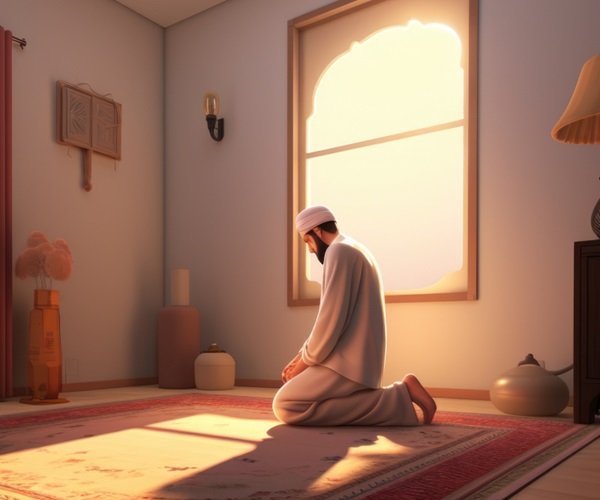
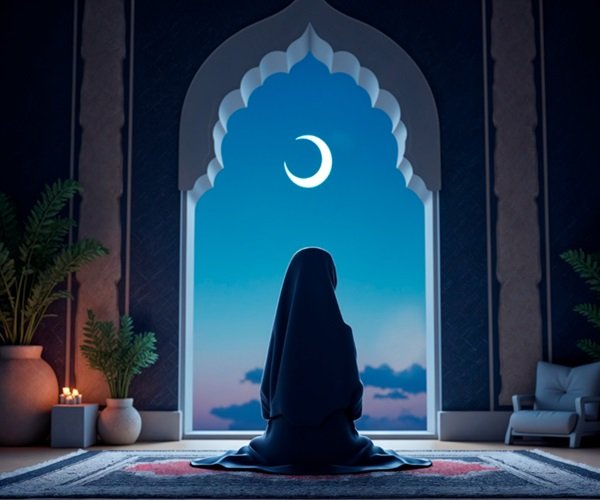
Difference Between Male and Female Namaz
Male Namaz:
- Pray in congregation if possible.
- Keep elbows away from the body in Sajdah.
- Stand with feet apart.
Female Namaz:
- Preferably pray at home.
- Keep body parts closer together for modesty in Rukoo and Sajdah.
- Feet should remain close together.
Namaz Fard , Sunnat Wajibat
1. Farz (Mandatory Elements)
- Intention (Niyyah)
- Standing (Qiyām) for those who can
- Recitation of Surah Al-Fatihah
- Rukoo (Bowing)
- Sajdah (Prostration)
- Final Sitting (Qa’dah Akhirah)
- Tasleem (Salam)
2. Sunnah (Recommended Acts):
- Raising hands for Takbeer (Allahu Akbar)
- Reciting Ta’awwuz and Tasmiyah before Surah Al-Fatihah
- Additional Surah after Al-Fatihah
- Saying Ameen softly
3. Wājibāt (Necessary Acts):
- Reciting Surah Al-Fatihah in every Rak’ah
- Saying Tasbeeh in Rukoo and Sajdah
- Performing each position calmly
- Maintaining proper order of actions

Start Your Quranic Journey Today
Joining Qirat Quran means more than just taking a course. It’s an opportunity to grow spiritually, connect with Quranic principles, and enjoy personalized learning tailored just for you.